The best winemakers in Napa Valley are defined by more than technical skill — they possess an intimate understanding of the land and the artistry to translate the nuances of place into each wine. Atelier Melka, a world-class winemaking team led by Philippe Melka and Maayan Koschitzky, embodies this standard — specializing in small-production, handcrafted wines and working collaboratively with winery owners dedicated to producing superior results. That reputation made them the clear choice for Spring Mountain Vineyard. Koschitzky has taken the lead in restoring the wines of this iconic, 140-year-old estate, which carries a legacy of exceptional, mountain-grown Napa Valley wine.
What Defines the Best Winemakers in Napa Valley?
To be a great winemaker is to have the ability to read a vineyard's character, coax out its nuances, and translate it into the bottle. The winemakers who earn 100-point scores have an intimate understanding of Napa Valley – a region of extraordinary diversity, where fog-cooled valley floors give way to steep, sun-drenched mountain slopes. Nowhere is this standard tested more rigorously than in Napa's mountain appellations. These vineyards reward mastery with some of the most profound, age-worthy wines in the world. Spring Mountain Vineyard, a historic 845-acre estate perched on the steep slopes above St. Helena, has been producing distinctive wines for over 140 years. It is exactly this kind of vast, hillside estate that provides the ultimate testing ground for Napa Valley's best winemakers, which is why Atelier Melka chose to partner with us as we embark on our next chapter.
The Masters Behind the Bottle: Philippe Melka and Maayan Koschitzky
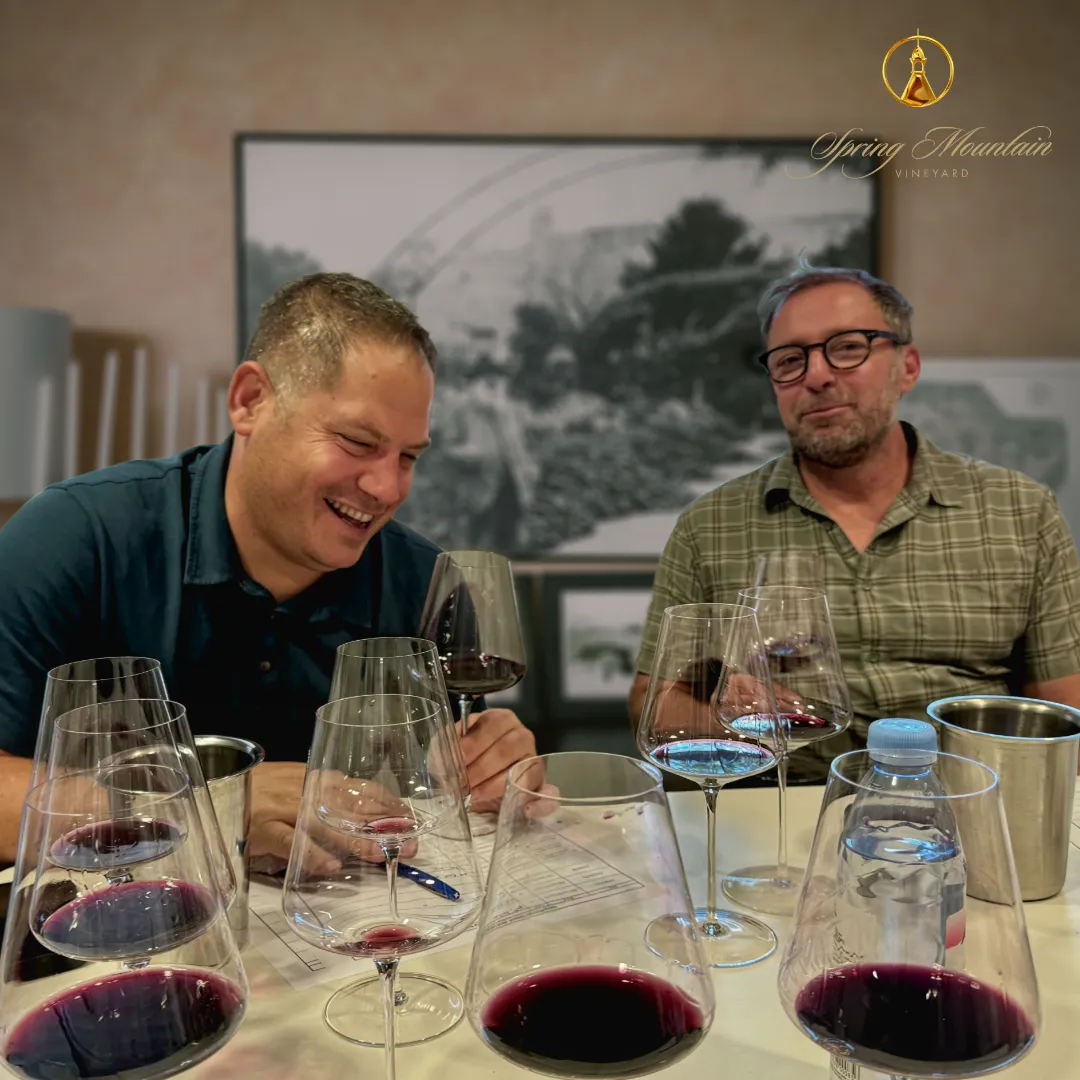
When Spring Mountain Vineyard's new ownership set out to restore greatness to one of Napa's most historic estates, they turned to the best in the valley — Atelier Melka. Named one of the world's top winemakers by Robert Parker, Philippe Melka is widely acclaimed for his profound impact on the wine industry, earning a remarkable string of 100-point scores across three decades of Napa consulting — a career that has made his name synonymous with Napa excellence. Alongside him, Director of Winemaking and Partner, Maayan Koschitzky, brings a rare depth of experience forged at Screaming Eagle, Dalla Valle, and across nearly 22 estates at Atelier Melka. Together, their philosophy is simple: let the geology of the mountain speak through the wine. Atelier Melka has been retained to assist with Spring Mountain's vineyard replanting, winery renovation, and efforts to craft world-class wines showcasing the unique terroir of Spring Mountain, ensuring this 140-year-old estate's most extraordinary chapter is still ahead.
Phillipe Melka, Atelier Melka
Training: Master's degree in Agronomy and Enology, University of Bordeaux; internship at Château Haut-Brion; mentored by Jean-Claude Berrouet of Château Pétrus and Christian Moueix of Dominus.
Robert Parker Recognition: Named one of the world's top nine winemakers by Robert Parker.
100-Point Legacy: Crafted at least 20 wines that have achieve a perfect 100-point score.
Philosophy: To make impressive wines that reflect the geology, topography, and microclimate of each site.
Spring Mountain Role: Consulting winemaker and strategic advisor overseeing the estate's full renaissance — from the 225-acre replanting to the future cellar program
Taming the Mountain: How Elite Vintners Craft High-Elevation Wines
While demanding to make, high-elevation wines can also be the most rewarding. Less than 5% of grapes in California grow above 1,000 feet, yet they are famous for their structure, complexity, and intense flavors. Vineyards at this altitude experience abundant sunshine (often sitting above the fog), with wide swings in day-to-night temperatures. As a winemaker, this requires constant monitoring and attention to subtlety and nuance. The fruit must be hand-tended throughout the growing season and often hand-harvested because of the steep slopes. Yields are generally lower than average. In the cellar, expert management is needed to capture the layers of character and create structured, age-worthy wines.
Factor
Valley Floor
Spring Mountain District
Terrain
Flat to gently rolling; fully mechanized farming possible
Slopes up to 45°; terracing required, hand-farmed exclusively
Soils
Deep alluvial clay loam; fertile, water-retentive, generous yields
Thin volcanic & sedimentary rock; low fertility, high drainage, severe vine stress
Generous, opulent fruit; lower skin-to-juice ratio
Intensely concentrated; small berries, high skin-to-juice ratio; deeper complexity
Harvest logistics
Machine harvest viable; efficient & scalable
100% hand-harvest; each block picked individually by ripeness
Ageing potential
5–15 years; approachable earlier
15–30+ years; structured for generational cellaring
The "Spice Rack" Philosophy: Blending Napa’s Most Diverse Estate
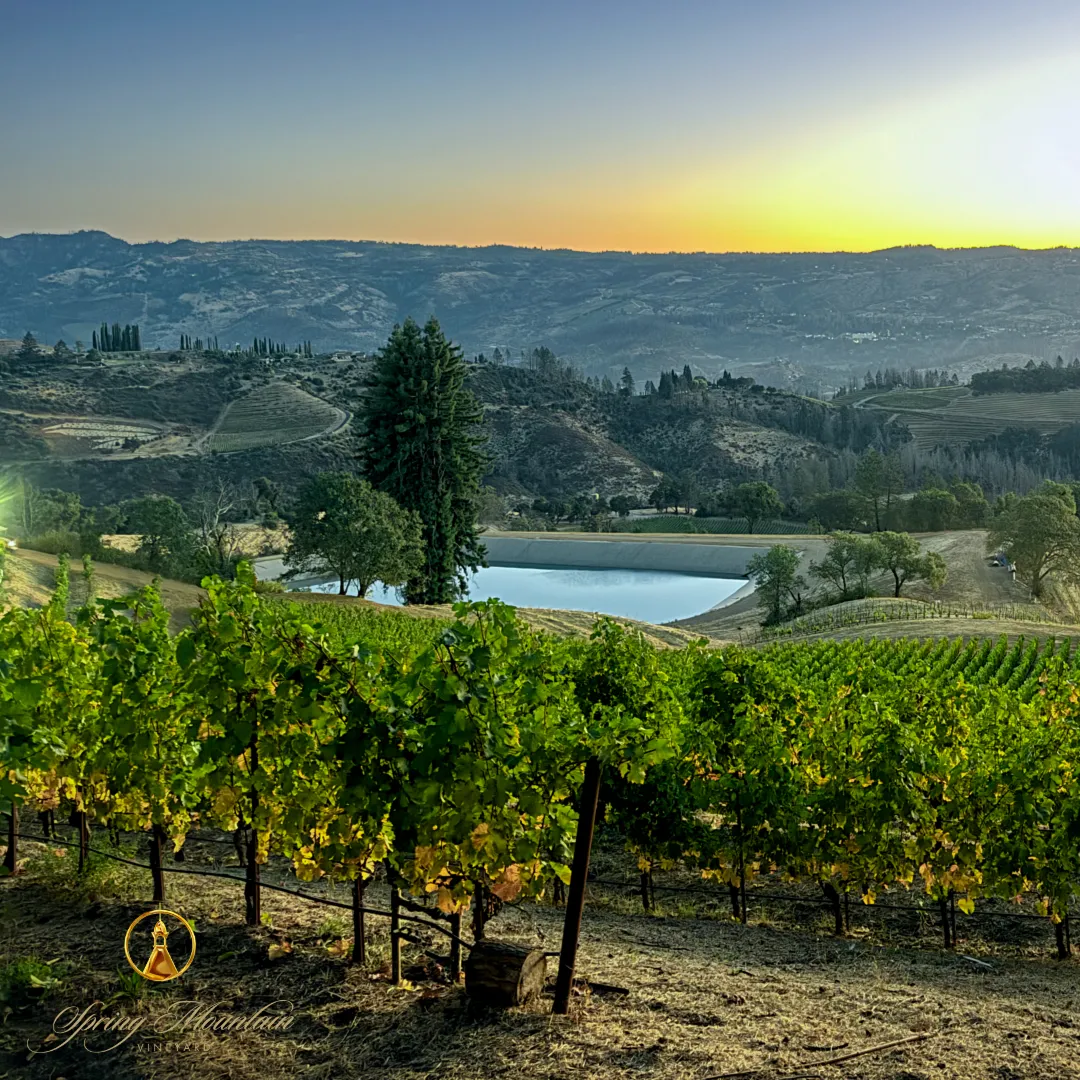
The complexity of Spring Mountain Vineyard wines can be attributed the depth of our “spice rack.” This is a concept rooted in the diversity of our property, and the variety of aromas and flavors that develop over our 135 individual blocks. Each of these blocks offers nuances of character that the winemaker layers together for depth and complexity, much like using a spice rack. With over 800 acres and 1,200 feet elevation change, our property creates a remarkable tapestry. For example, upper blocks yield wines of tense acidity and refined aromatics, while lower sites tend to give plush, brooding fruit. Varying soil types, aspects, and clonal selection further refine the individual expressions, yielding slight differences in minerality, herbal notes, acidity and tannins. Just as a skilled cook reaches for one spice to another, our winemakers move through their 135-block pantry each vintage, balancing flavors and aromatics until the blend comes together as the finest expression of place.
Taste the Craftsmanship: Spring Mountain Vineyard Events and Experiences
Great wine is found at the confluence of place and person. It takes not only remarkable vineyards, but skilled hands to shape it into fine wine. Great winemakers bring vision, knowledge, and artistry, coaxing from steep mountain slopes something that could not exist anywhere else on earth. At Spring Mountain Vineyard, that story is being written right now, with extraordinary ambition. Building on a 140 year-old legacy, two of the most celebrated winemakers in California are bringing their collective decades of experience and mountain fluency to create one of Napa Valley's most compelling comebacks.
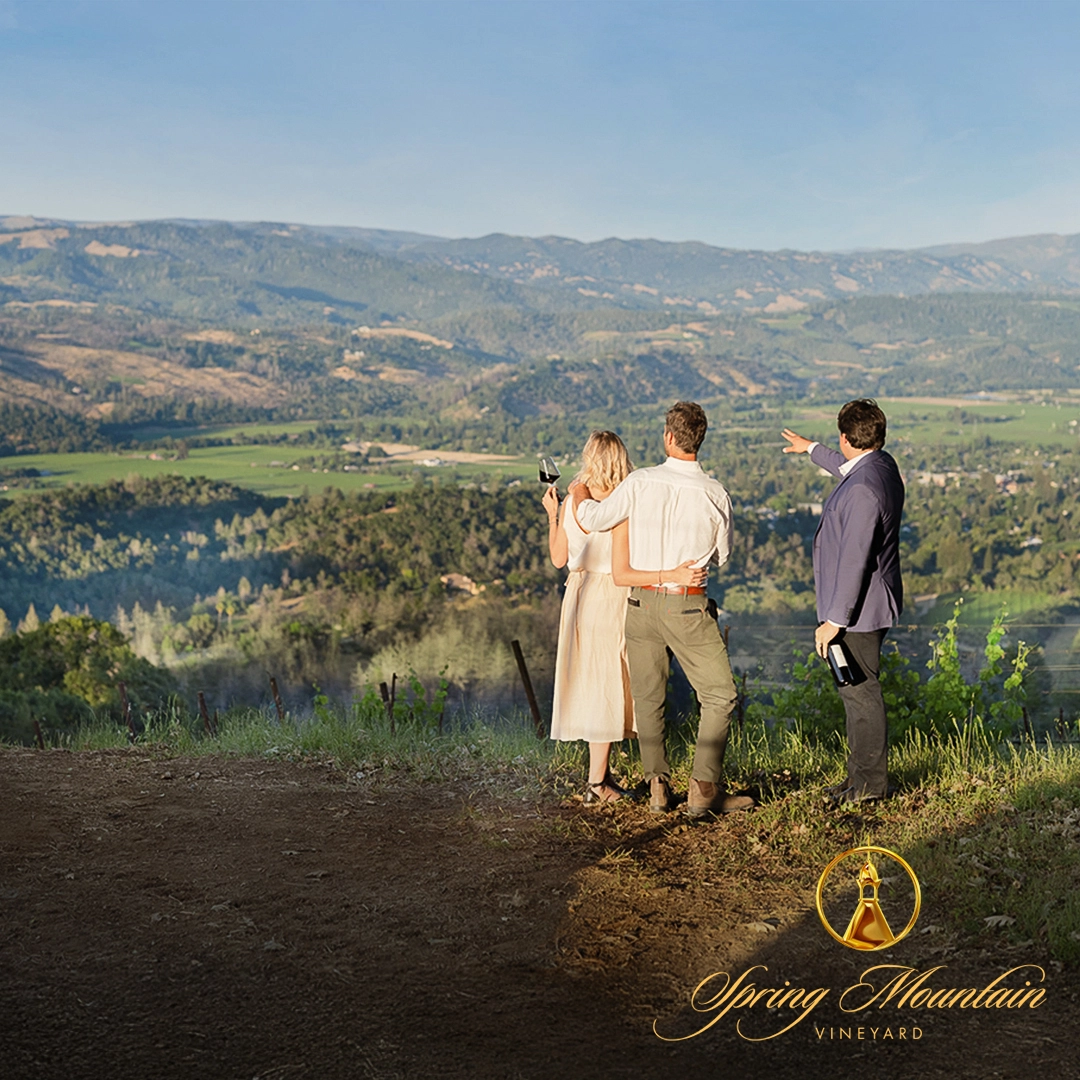
The best way to understand what that means is to taste it for yourself. Spring Mountain Vineyard offers daily private tastings and immersive vineyard excursions, from guided estate walks through the botanical gardens and terraced vineyard blocks, to off-road mountain tours spanning 225 acres at elevations up to 1,700 feet. Throughout the year, the estate also hosts a select calendar of special events, offering unique opportunities to experience the vineyard, wines, and community in memorable ways. Visit www.springmountainvineyard.com or call 707-967-4186 to reserve your place — and experience firsthand what happens when a historic mountain winery meets the finest winemaking team in California.
Napa Valley Elite Winemaking: F.A.Q.
How does mountain Cabernet Sauvignon differ from valley-floor Napa Cabernet?
The difference between mountain Cabernet Sauvignon and valley-floor Cabernet can be tasted in the bottle. A result of very different growing conditions, the former prioritizes power, structure, and longevity, while the latter leans into opulence, texture, and approachability.Mountain vineyards — found on appellations like Spring Mountain, Howell Mountain, Mount Veeder, and Diamond Mountain — sit at elevations typically ranging from 1,000 to 2,600 feet, where vines grow in shallow, rocky, well-drained soils with low nutrient content. This stress forces vines to produce small, thick-skinned berries with concentrated flavors. The wines often have higher tannin levels, deeper color, more pronounced acidity, and intense dark fruit, earth, and mineral character. The diurnal temperature swing is also greater at elevation, preserving natural acidity and aromatic complexity. Valley-floor Cabernet, by contrast, benefits from deeper alluvial soils that retain more water and nutrients, yielding larger berry clusters and wines that tend to be rounder and more approachable in their youth, with plush dark fruit, chocolate, and softer tannins. Mountain Cabs are generally more structured and age-worthy, often requiring a decade or more to fully integrate, while valley-floor expressions from areas like Oakville, Rutherford, and Stags Leap tend toward elegance and earlier drinkability.
How does Philippe Melka and his team incorporate sustainable viticulture on steep mountain terrain?
As a consulting winemaker for Spring Mountain Vineyard, Philippe Melka works closely with the viticulture team to integrate sustainable practices by prioritizing soil health, biodiversity, and minimal intervention throughout the growing season. Melka and his team use soil analysis and farming methods tailored to the unique terroir across the mountain estate. Cover crops are used between vine rows, which stabilizes soil, improves organic matter, and promotes beneficial insect populations. Water conservation is central to their approach, utilizing drip irrigation systems that monitor vine stress to minimize water usage and maximize concentrated flavors. Their philosophy also emphasizes working with the natural contours of the land rather than against them, avoiding aggressive tillage that can disturb fragile mountain soils and reduce microbial life. Canopy management on steep terrain is handled with careful attention to sun exposure and airflow, reducing the need for chemical interventions by naturally discouraging disease pressure. These sustainable practices produce wines that authentically express their high-elevation origins while stewarding the land for future generations.
Where to find limited edition or small-batch wines from Spring Mountain vineyard winemakers?
The best place to buy small-batch, limited-production wine from Spring Mountain is directly at the source. Many of these mountain estate wineries — including Spring Mountain Vineyard, whose winemaking team includes Philippe Melka and Maayan Koschitzky — release small-batch and limited edition wines exclusively through mailing lists and private wine clubs. Because production from these mountain vineyards is inherently limited, allocation-based, direct-to-consumer sales are the norm. Beyond the winery, specialty retailers in Napa, auction houses, and online merchants focused on artisan winemaking are your next best option. For the deepest access, attending Spring Mountain winery experiences in person remains the most reliable way to discover wines that never reach the open market.
What defines the signature winemaking style of the Spring Mountain region?
Spring Mountain's wine style is defined by its steep terrain and volcanic soils, which produce intensely concentrated fruit with natural acidity and a mineral backbone rarely found on the Napa Valley floor. The best winemakers working the historic estate vineyards in this AVA — including Philippe Melka of Atelier Melka — bring a cellar philosophy of precision and restraint, letting the mountain speak through every blend. The result is structured, age-worthy wine with a savory depth that is unmistakably Spring Mountain.
Stories from the mountain
Join our mailing list for the latest news, special offers, and upcoming events.
By sharing your details, you agree to receive marketing from Spring Mountain Vineyard. Your info is protected by our privacy policy, and you can unsubscribe anytime.

.webp)